 Paid
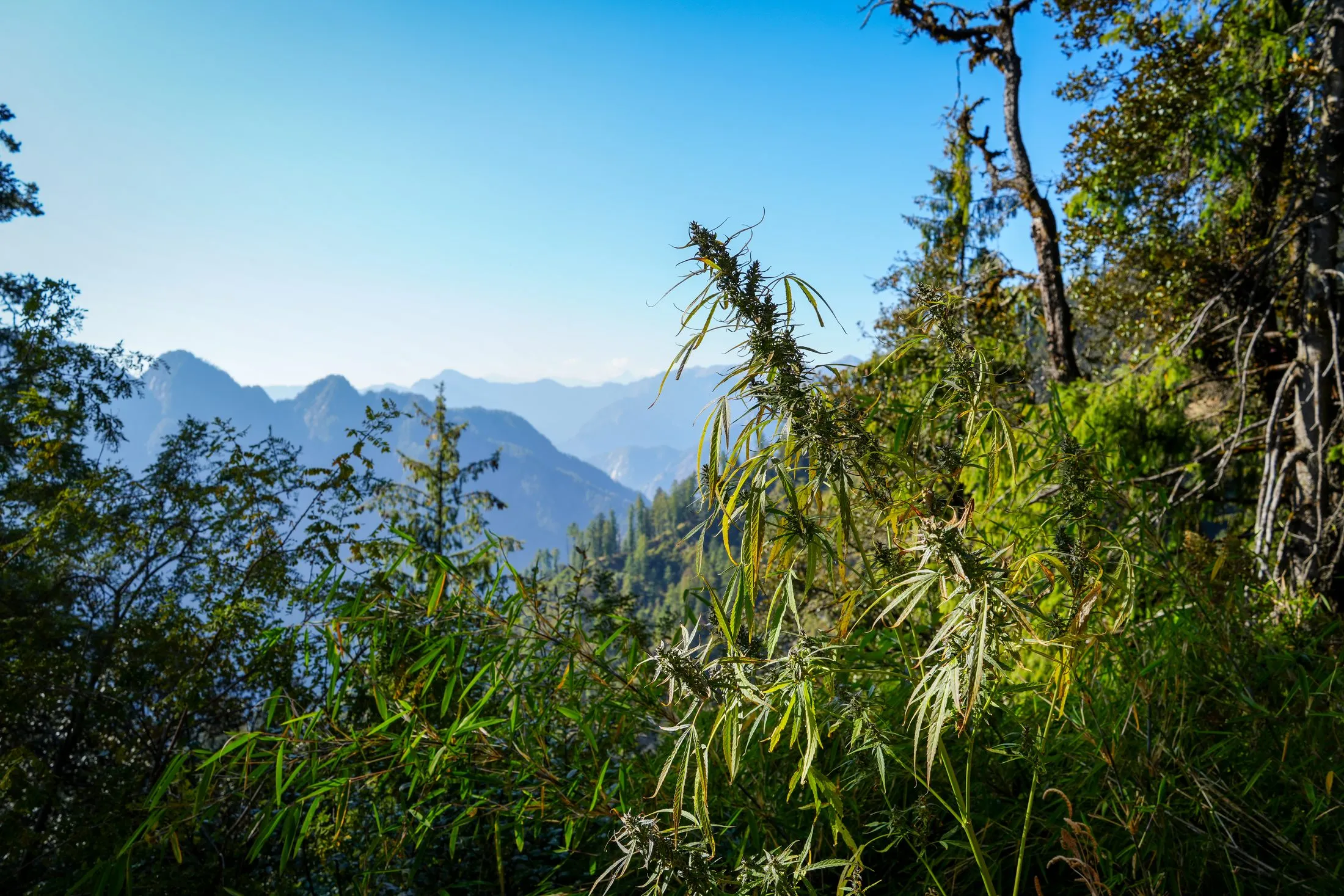
PaidThe Parvati valley
The appellations, what separates them and why the names are worth keeping. Our deepest holding, at 154 accessions.
Learn
What a landrace is, what an accession number means, where everything on this site lives and where to go when our records run out. If you have never bought seed with a number on it before, this is the page.
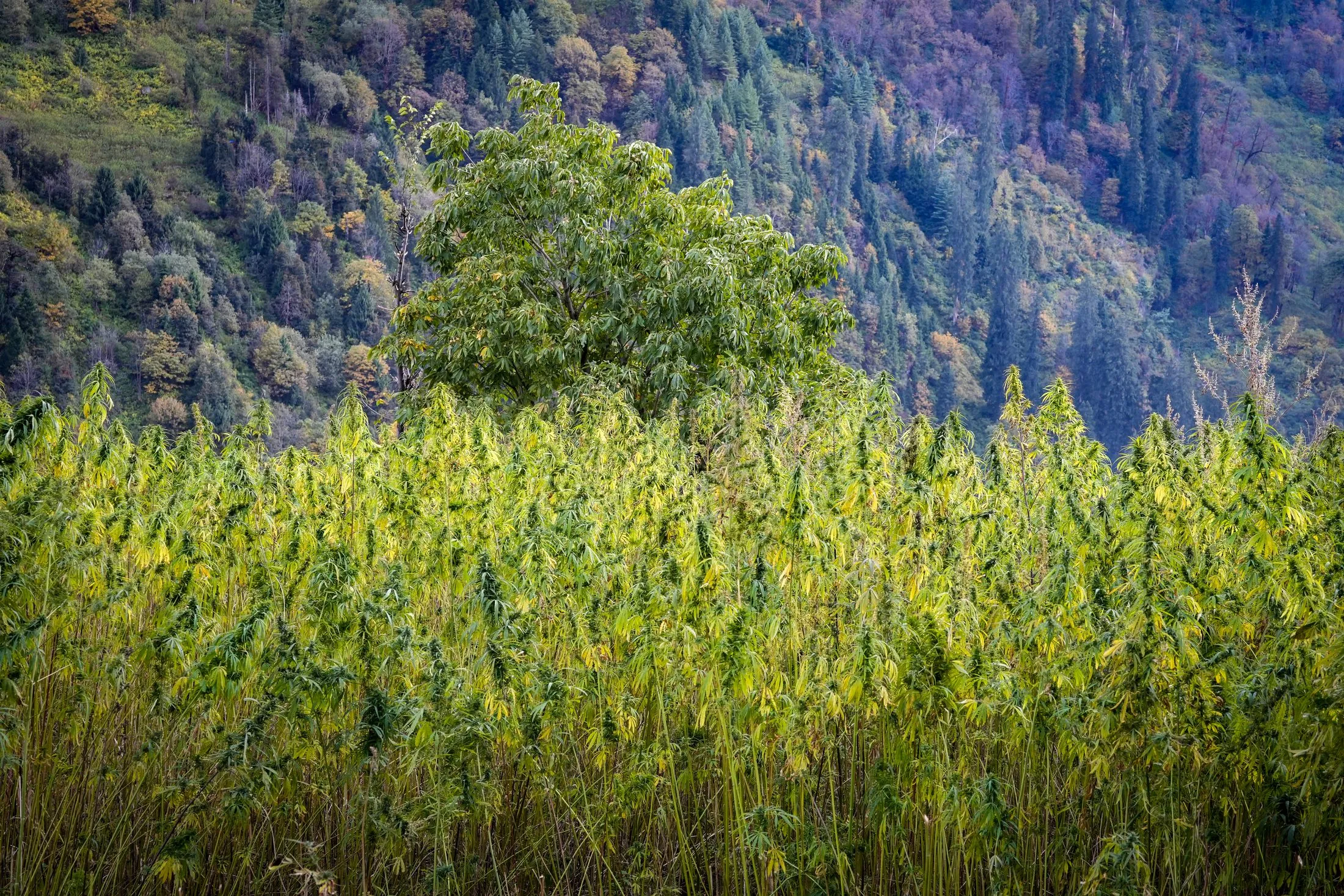
A population that has grown in one place long enough to have adapted to it, kept by the people who live there rather than by a breeder. Nothing commercial has been crossed into it.
What holds it together is a few hundred seasons of the same households saving from the same fields under the same weather. That makes a landrace variable in a way a modern cultivar is not. Plants within one accession differ from each other, sometimes a lot.
That variation is the population's memory of every bad year it survived.
It is also the reason these populations matter to anyone doing serious breeding work, and the reason losing one is not the same as losing a seed line. Most of them are going. Eradication, hybrid seed arriving in villages that never had it and the young people leaving the valleys have between them ended more populations in the last twenty years than anyone will ever have records of.
An accession is the seed of one collection, under its own number.
Seed gathered from the same village in a different season is a different accession with its own record, because the field, the weather and sometimes the household have changed. We never blend across years or farms.
This is genebank practice rather than seedbank practice, and it is the main thing that makes our catalogue read strangely if you are used to strain names. A name tells you what somebody decided to call it. An accession number tells you where it came from and when.
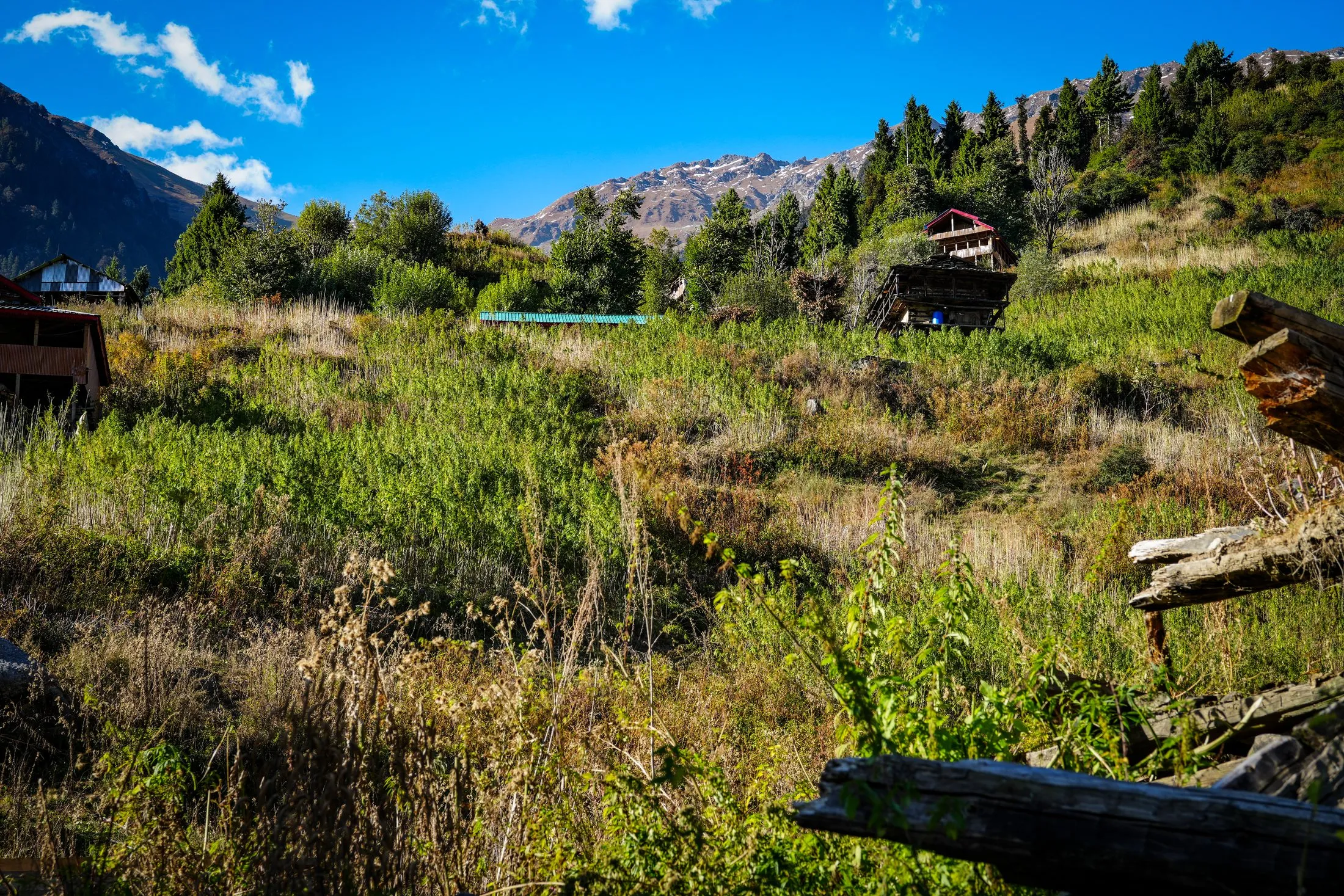
These populations grow where people live, which is why the household is part of the record and not a footnote to it.
Every accession carries one, it never changes, and it is the handle everything else hangs off. Here is a real one taken apart.
We do not publish a decode of the last block. It tracks the season year, but measured across the whole register it matches the collection year on some rows and the harvest year on others, and printing a rule the data does not keep would be worse than printing nothing. Read it as an identifier and take the years off the record itself.
That number belongs to a real population in a real valley. This is what we hold on it, printed word for word from the catalogue.
See this accession in the catalogue · its article on landrace.wiki
Not every accession has every field. Older material that came through collaborators is thinner, and some positions were never taken. Where a field is empty the record says so rather than guessing. 376 of the 409 accessions carry an exact position and it prints exactly as we recorded it. Nothing gets rounded off or moved.
Every public page here is the same 409 records seen from a different angle. Pick whichever question you arrived with.
Open any record and you land on its own page, like the Rumsu one above: the record as sold, a single pin at the exact recorded position, the other lots sitting under the same number and the link out to its article on the wiki. That page is the thing to send someone, rather than a screenshot of a listing.
A record tells you what we hold. It does not tell you why one valley grows what it grows, or what became of the fields that are no longer there.
How a name attached itself to a place, what the household saving that seed is actually doing in August, which of these valleys had a different crop twenty years ago. That is a lot of talking, and it has been going out in fragments across Discord, Patreon and the odd blog post for six years. So we are making courses of it: one region or one population at a time, taken properly, recorded once and watchable whenever you like.
PaidThe appellations, what separates them and why the names are worth keeping. Our deepest holding, at 154 accessions.
 Paid
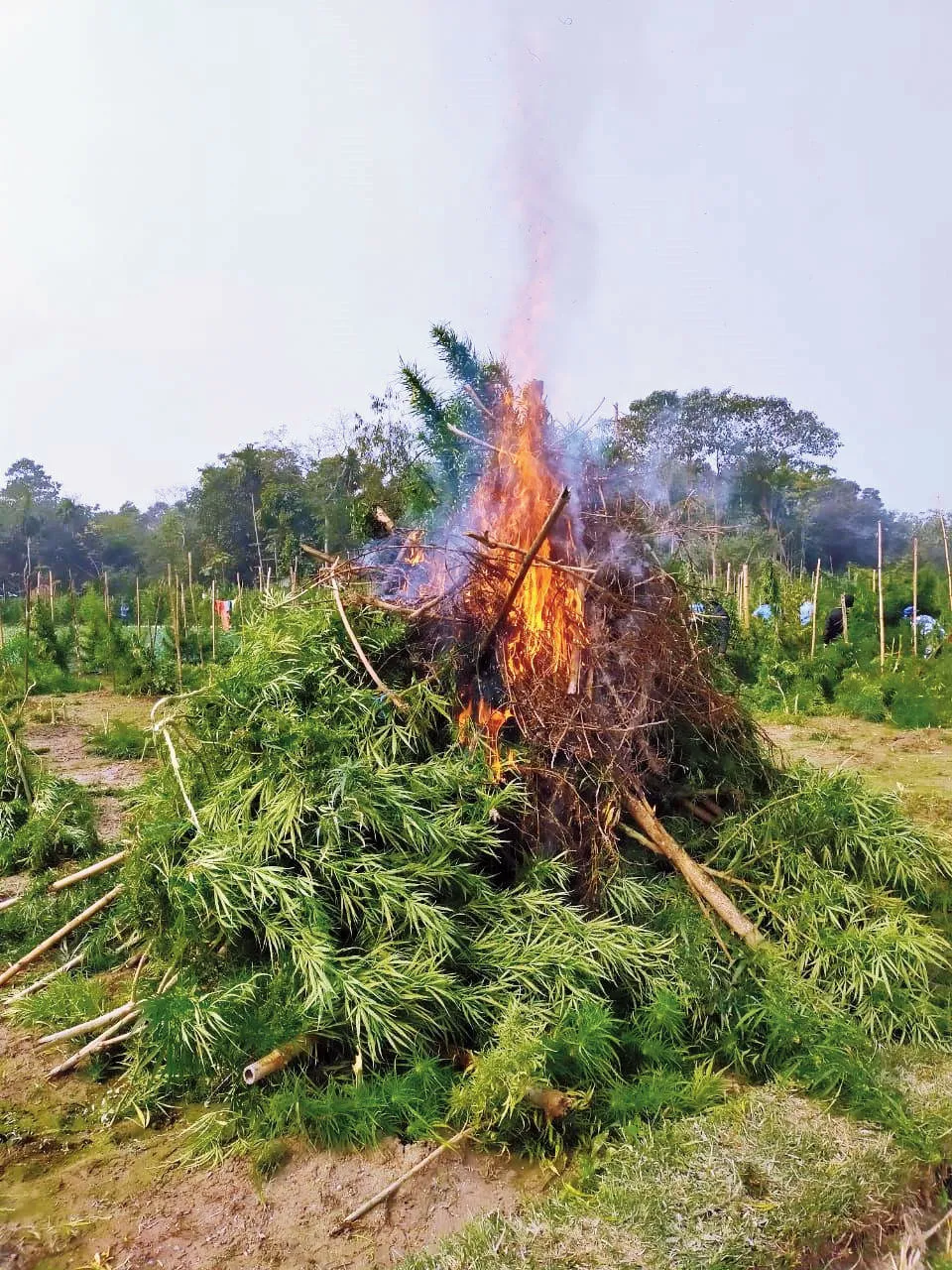
PaidThe plains, the tea belt and the eradication record, from the colonial paperwork to what is standing now.
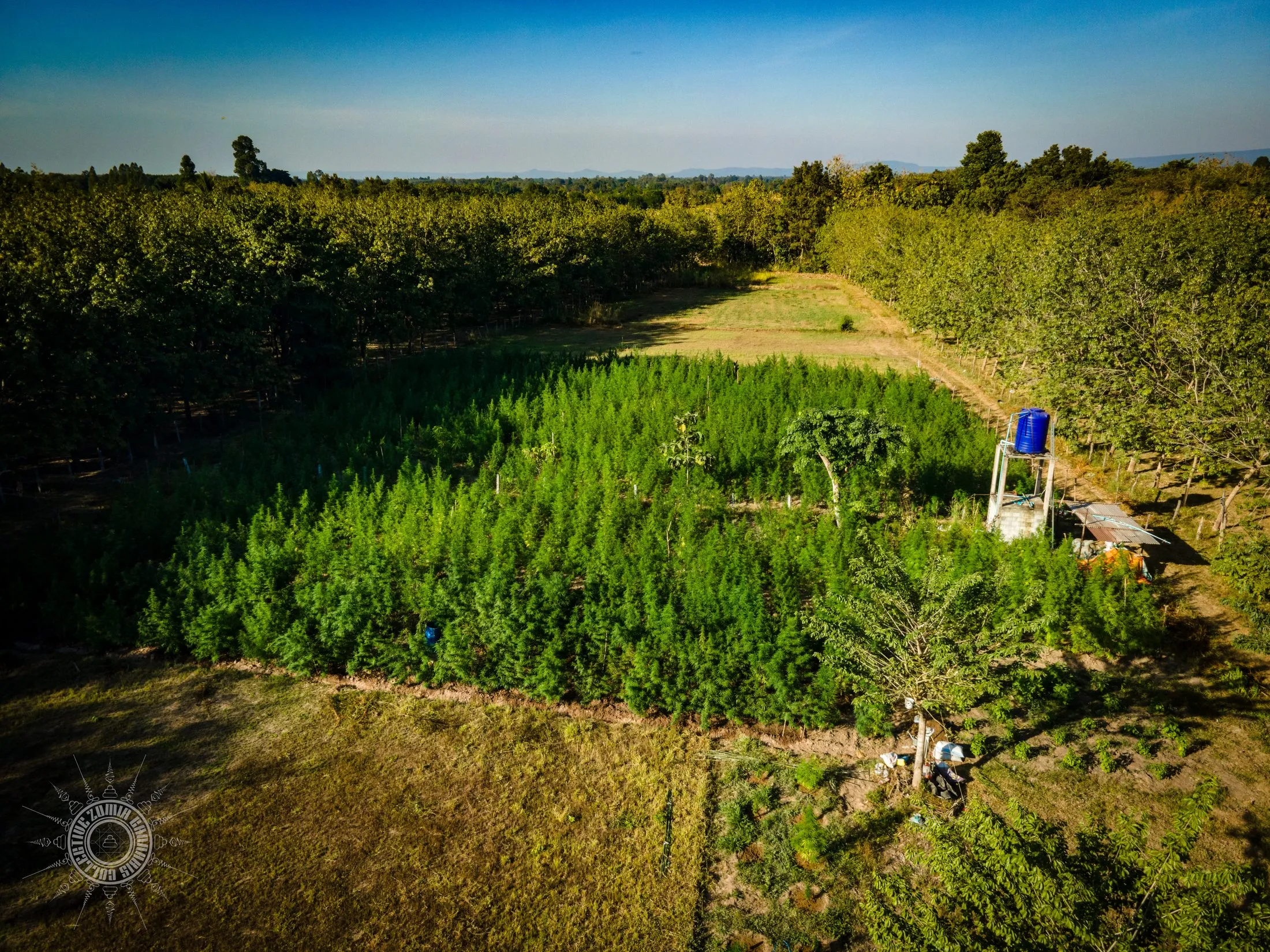 Free, live
A field visit turned into an accession number, start to finish, with the awkward parts left in. Questions taken as they come.
Live workshops sit beside the recorded ones and cost nothing. We have never made video and it is the thing people ask us for most, so the live side stays open to everybody and the recorded deep dives are what carries a price. Patrons get in early either way. Subjects are place, history, people, botany, taxonomy and conservation, the same ground the rest of this site holds to.
This is a plan, and nothing in it is on offer yet. Whether anything is scheduled or on sale yet is the course calendar's page to say.
The catalogue is the fastest way in. Every record on it opens its own page and every page links out to the article behind it. If something here is wrong or too thin to be useful, tell us and we will fix it.
Leave a message and we will answer.