An independent project
landrace.wiki
A neutral encyclopaedia and open conservation database for landrace cannabis: the populations, their genetics and the traditional knowledge that keeps them alive. It is not ours. That is the point of it.
- Articles
- 1,400+
- Accession records
- 400+
- Growing areas
- 22
- Growing regions
- 11
What it is
An encyclopaedia of landrace cannabis that runs as its own project, with its own editors, its own conventions and no connection to this shop beyond the material we contribute to it.
It covers regions, growing areas, appellations, botany, genetics, chemistry, history, culture and conservation, and it holds an accession database underneath all of that. Anyone can edit it. It covers far more ground than our catalogue does and it always will, because it is not limited to seed somebody is selling.
A record only its seller vouches for is worth very little.
That is the whole argument for it. Material from other collectors sits on it beside ours. Somebody with no stake in whether you buy anything can read what we claim about a population, check it against the sources and change it if we are wrong. A catalogue cannot do that for itself, and a catalogue that says it can is asking to be believed rather than checked.
What is on it
More than 1,400 articles, over 400 of them accession records.
Each accession record carries its position, its classification, its elevation band and a conservation assessment. Close to half of them are assessed critical or high priority, which is the number worth sitting with: the database is mostly a list of things that may not be there in ten years.
Around those sit the growing regions, the growing areas, the appellations and the countries, then the botany, genetics, chemistry, history, culture and conservation writing that explains any of it. There is a map too, drawing growing area and appellation boundaries rather than points alone.
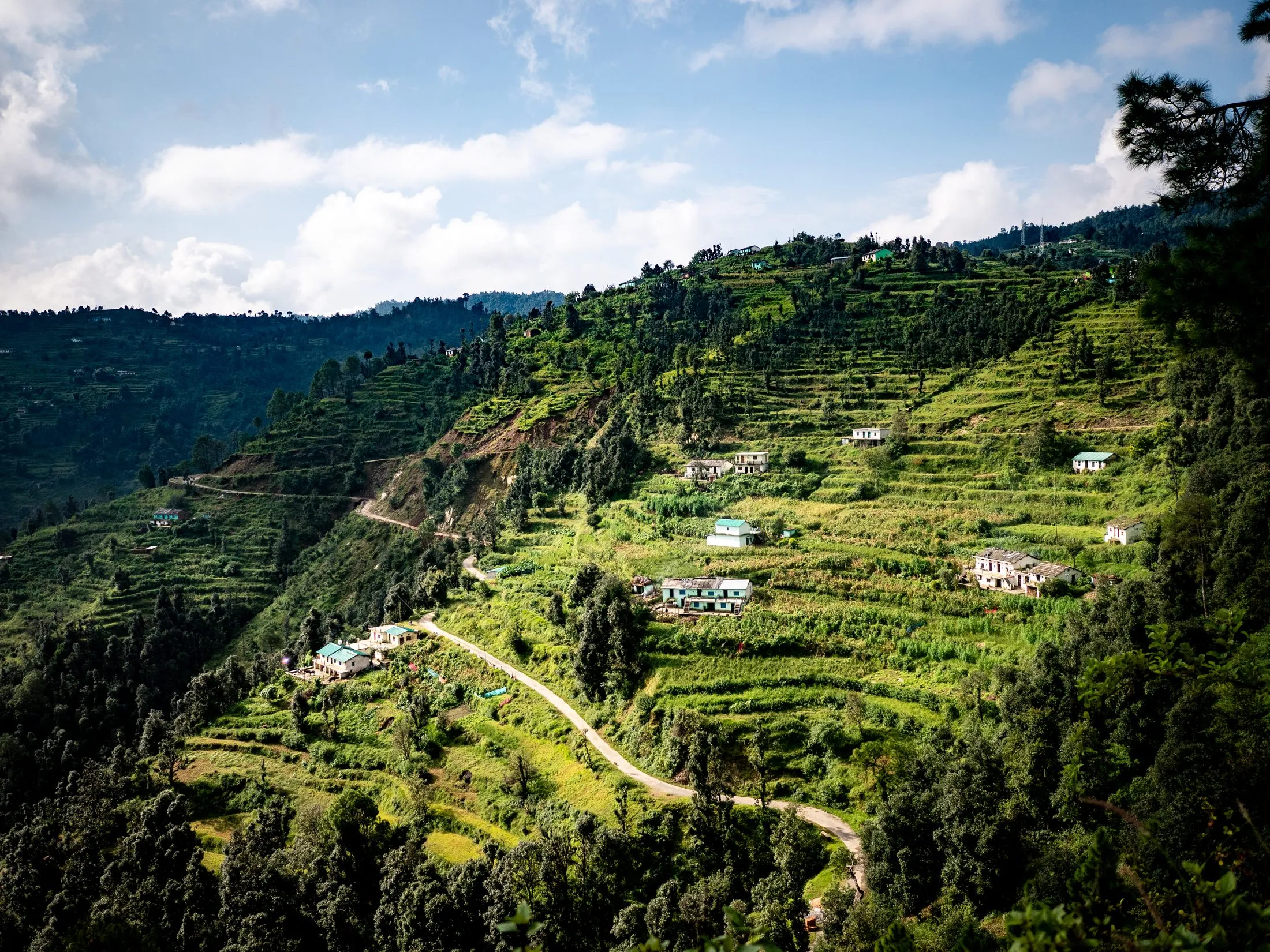
A growing area looks like this on the ground. The wiki writes them up properly, which is more room than a catalogue record has.
How to browse it
Like a genebank, it can be browsed by the things that actually separate one population from another.
Under those sits a query builder, for the questions six facets do not answer: everything above 2,000 metres in one country, or every appellation assessed critical, or whatever else you want to ask. The full list is the place to start if none of the slices fit.
Our records on it
An accession number is the join. It titles the article, so every record in our catalogue can be checked against a public page we do not control.
All 409 accessions here carry the link. Follow it from any record on this site and you land on the wiki's version of the same material, written to its conventions rather than ours, sitting in categories beside collections that have nothing to do with us. Where the two disagree, the wiki is the one anybody can fix.
What we send there is provenance: where the seed came from, when, who collected it, what the place is called and what state the population was in. What we do not send is anything about growing it, for the same reason none of that appears on this site.
Contributing
Anyone can edit it, and correcting an article there is worth more than telling us.
If you know a growing area better than its page does, or you have a source nobody has cited, or an appellation is wrong about its own boundary, the wiki is where that knowledge outlives everybody currently arguing about it. It is not our project, so we cannot approve or reject what you write and would not want to. Its editors and its conventions govern it.
We are contributors there like anyone else. If something we put on it is wrong, fixing it on the wiki is the fastest route, and telling us means the catalogue gets corrected too.
Where our end of it lives
The catalogue is the seed and the record as we hold it. The wiki is the same material with the argument attached, kept by people who owe us nothing.